When assigning values to safeguards and controls, if a cell in the table is left empty, PILAR tries to use the value from another cell.
|
|
|
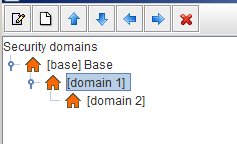
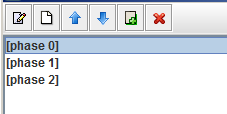
security domains & project phases / phases first
when a safeguard is not evaluated in phase in a domain, PILAR tries to use the value from the previous phase; if none, it tries to use the value from the next security domain
security domains & project phases / domains first
when a safeguard
is not evaluated in phase in a domain, PILAR tries to use the value from the
next security domain; if none, it tries to use the value from the previous
phase
(this is the default behaviour before version 4.4)
|
|
domains first |
phases first |
||||
|
|
phase 0 |
phase 1 |
phase 2 |
phase 0 |
phase 1 |
phase 2 |
|
domain 2 |
7th |
4th |
1st |
3rd |
2nd |
1st |
|
domain 1 |
8th |
5th |
2nd |
6th |
5th |
4th |
|
base |
9th |
6th |
3rd |
9th |
8th |
7th |
When an asset is subject to individual evaluation, it behaves as if in its own (unnamed) security domain. That is:
|
|
domains first |
phases first |
||||
|
|
phase 0 |
phase 1 |
phase 2 |
phase 0 |
phase 1 |
phase 2 |
|
ASSET |
7th |
4th |
1st |
3rd |
2nd |
1st |
|
domain 1 |
8th |
5th |
2nd |
6th |
5th |
4th |
|
base |
9th |
6th |
3rd |
9th |
8th |
7th |